About Katharsi
Katharsi is an Adventure-Puzzle game made by a core team of 15 students over the course of a full academic year. You play as Margus, a Byzantine soldier exploring a Cathedral and the cave that lies beneath it to clear out a plague with the help of your mysterious companion.
The game was released on Steam in July of 2025, and received a content update later that same month. Players have praised the unique setpieces of the game, including the central cave and rotating puzzle room, much to my pleasure as the one responsible for their design.
My Role
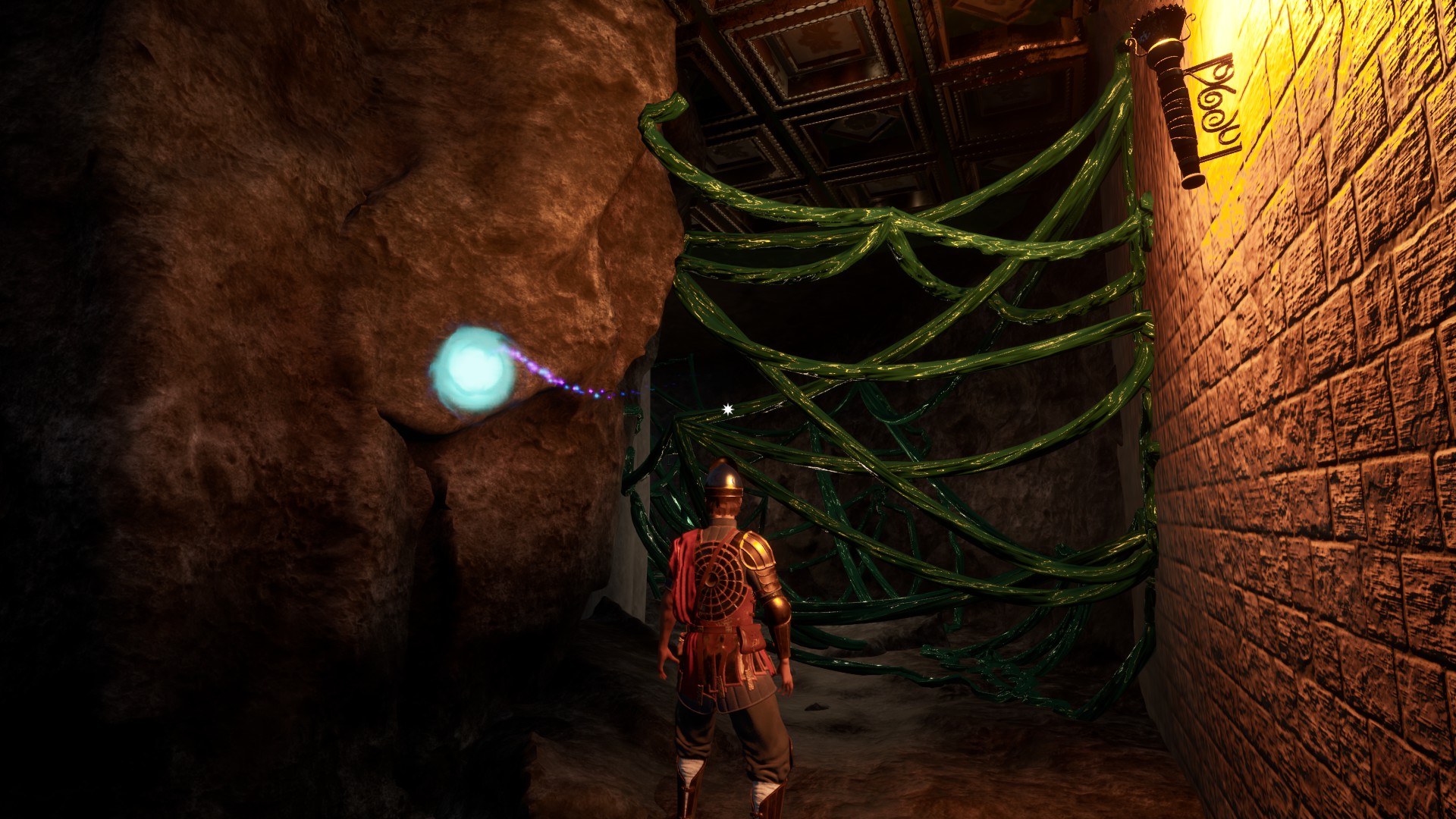
My role within the team was the primary Level Designer. There were two level designers in total, however I was the only one fully committed to design, whiteboxing, and setdressing of the level. The game features 7 main rooms, of which I was responsible for 5, and 4 of those contain puzzles. The level itself centres around a door covered in impassable corruption that players are introduced to at the start of the game, and must ascend upwards through the underground dungeon and solve puzzles to return to the starting Cathedral and open the door.
The level was initially built with an inspiration from the Legend of Zelda franchise, and was planned to be an interconnected puzzlebox dungeon, in which players would cross over and return to rooms multiple times. But a shift in the team dynamics forced us to rethink our approach, and the level underwent a major downscoping iteration to be more linear, reminiscent of the Tomb Raider. This approach helped reduce bloat and resonated more with players, though elements of the interconnected level can still be found in the central cave, which acts as a hub to return to.
Puzzles were a core feature of the game from the start, and after weeks of concepting a prototyping, puzzles involving a Light Beam that could be redirected by the player and mirrors were decided upon. The design of the puzzles were just as crucial as the design of the level itself, and would be a first for me. Keeping with my personal philosophy of Player Empathy, I opted for a soft, or “pseudo-puzzle” approach to the puzzle design. Rather than complex brain-teasers like a game of Sudoku, the puzzles are relatively simple, but feature a degree of spectacle to keep them engaging to players. This approach absolutely paid off in the end, as playtesting data validated that people enjoyed the interesting setpieces of the game, and found the puzzle complexity to be just right – still engaging but not complex enough to be frustrating.
Additional Contributions
Being involved with the pre-production stages for this game, I concepted many, and prototyped some, potential gameplay mechanics. Some examples include a time distortion bubble, rotating gear puzzles, hookshot traversal, and light-based puzzles, which ended up being the concept we settled on.
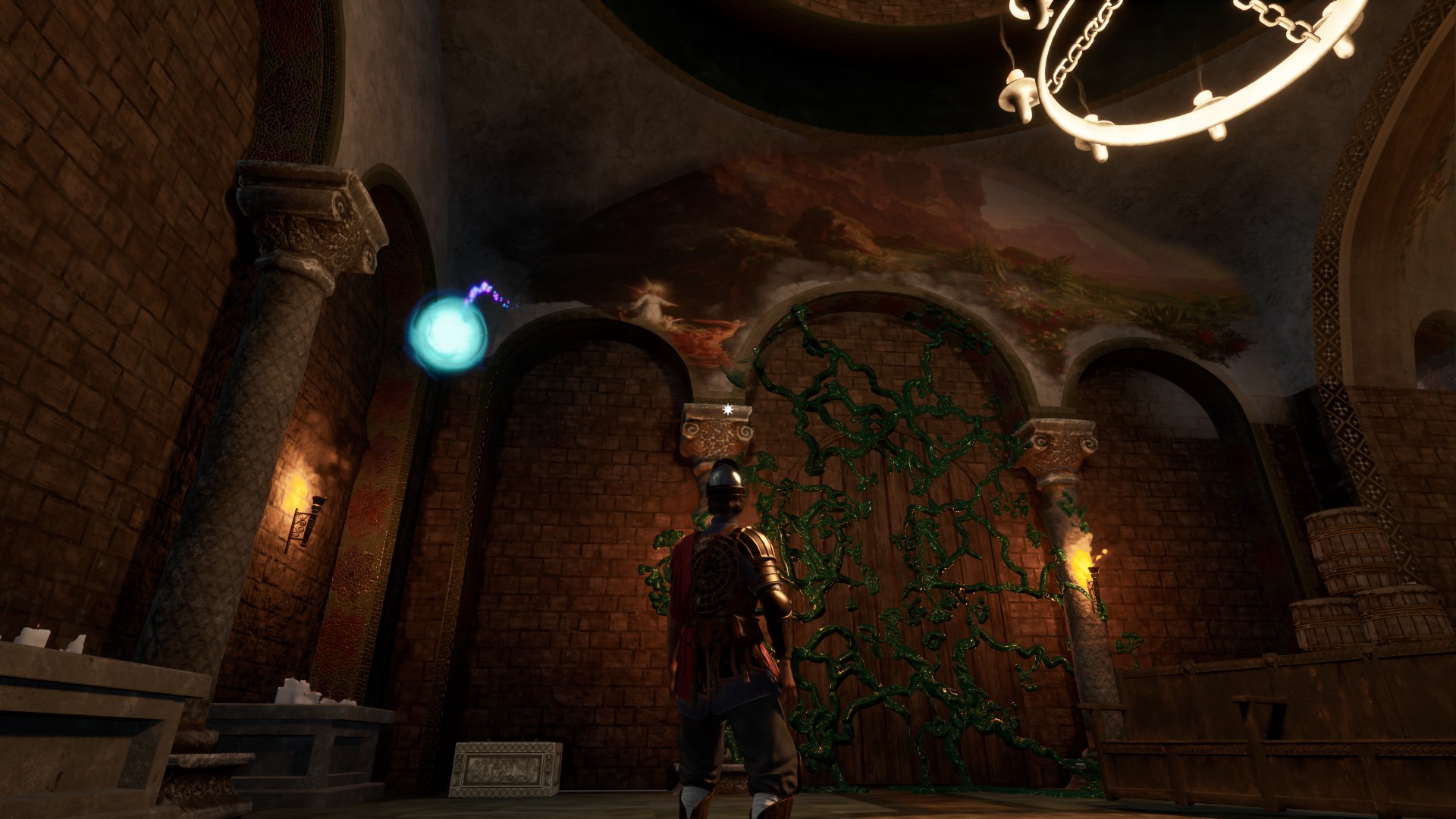
Similarly to Pizzapocalypse, I played the role of both Level Designer and setdresser on this project. The level was setdressed using a Modular Asset Kit provided by our team’s two environment artists, and I was responsible for the placement of assets throughout 5 of the main rooms and all of the connectors. Additionally, I was responsible for the implementation of stairs throughout the whole level, using a procedural stair generator provided to us by a third-party. This was my first time using a Modular Asset Kit on this scale, and while it was a time-intensive process, it helped contribute to the noble aesthetic the level has.
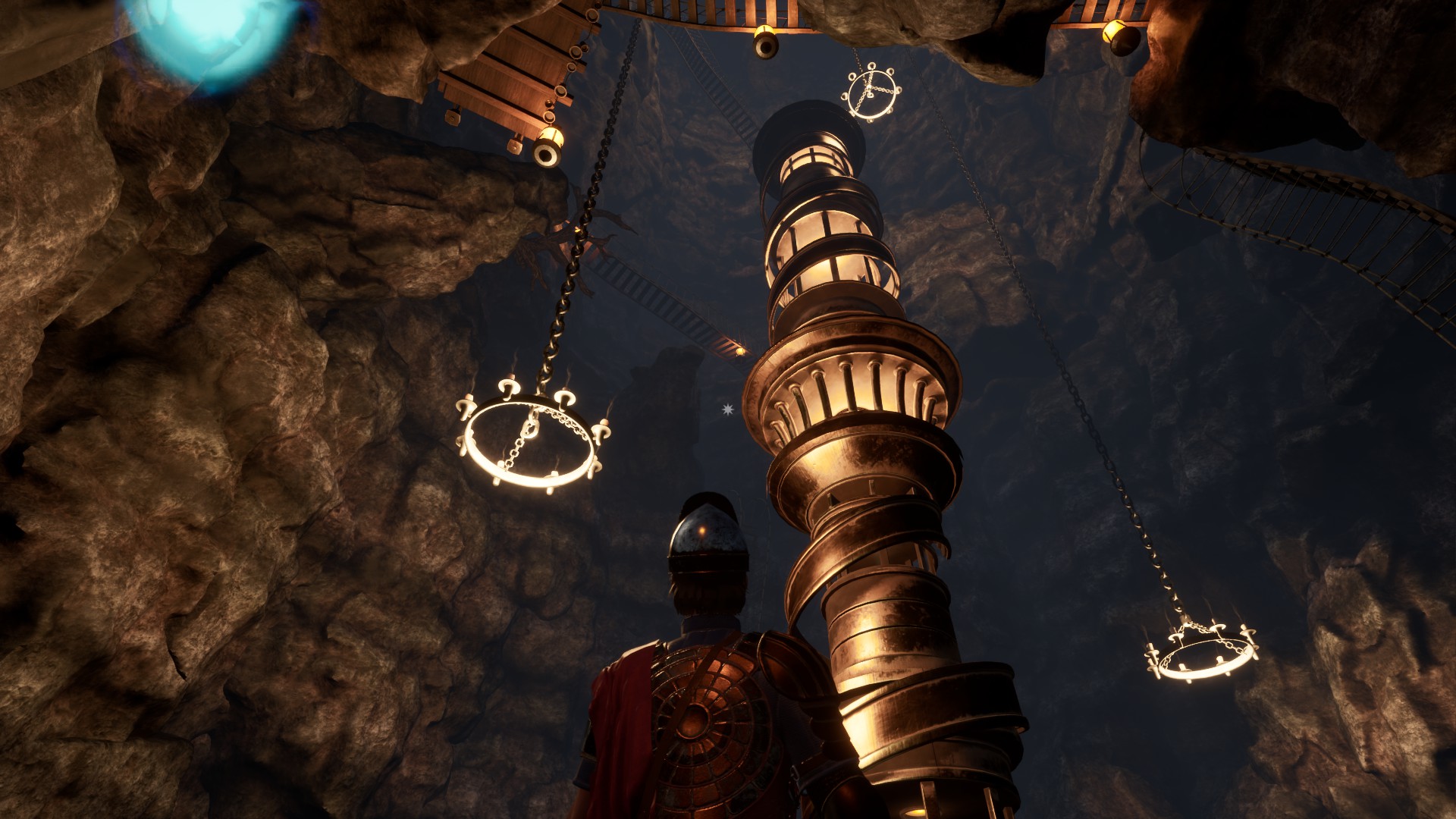
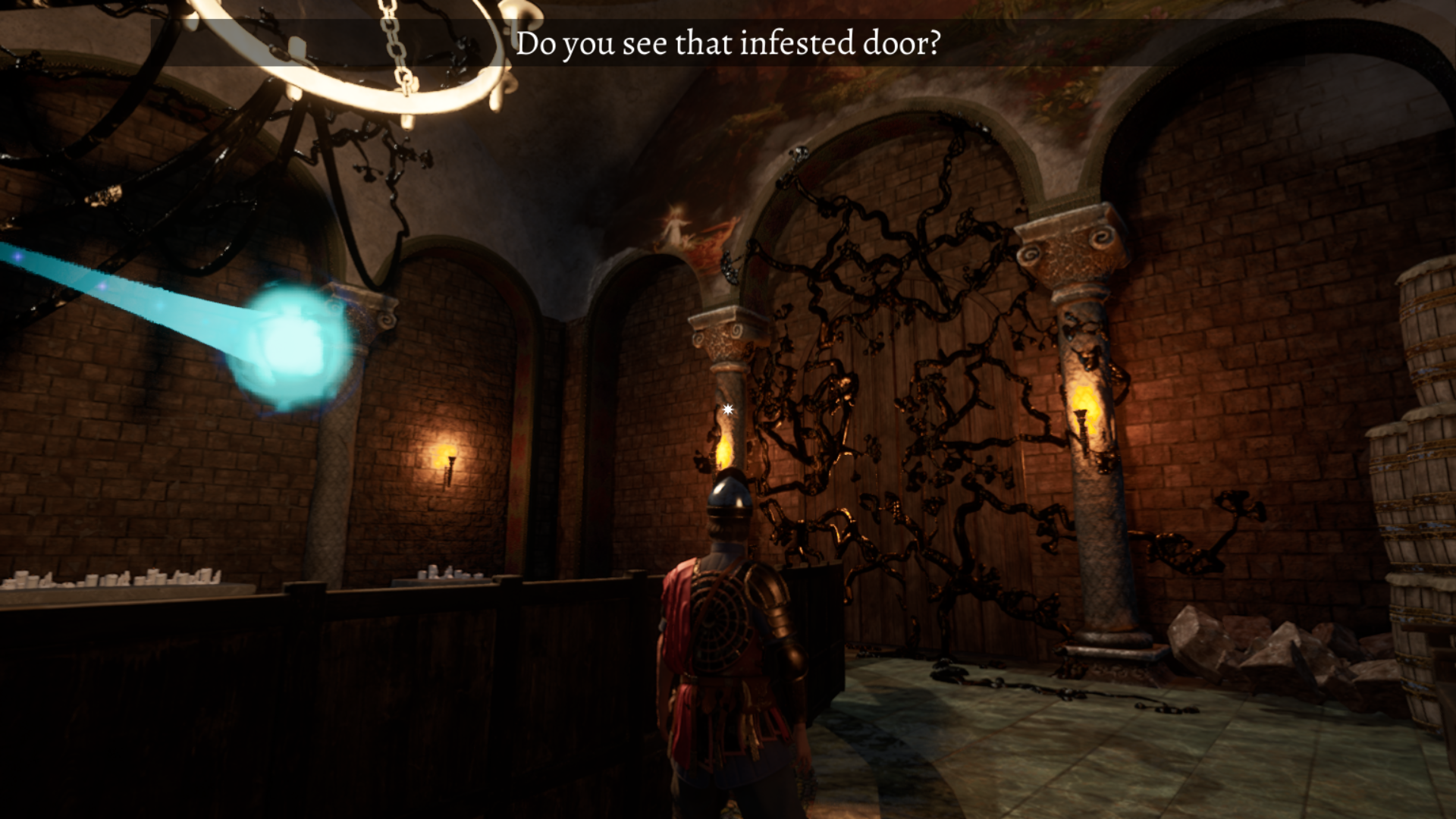
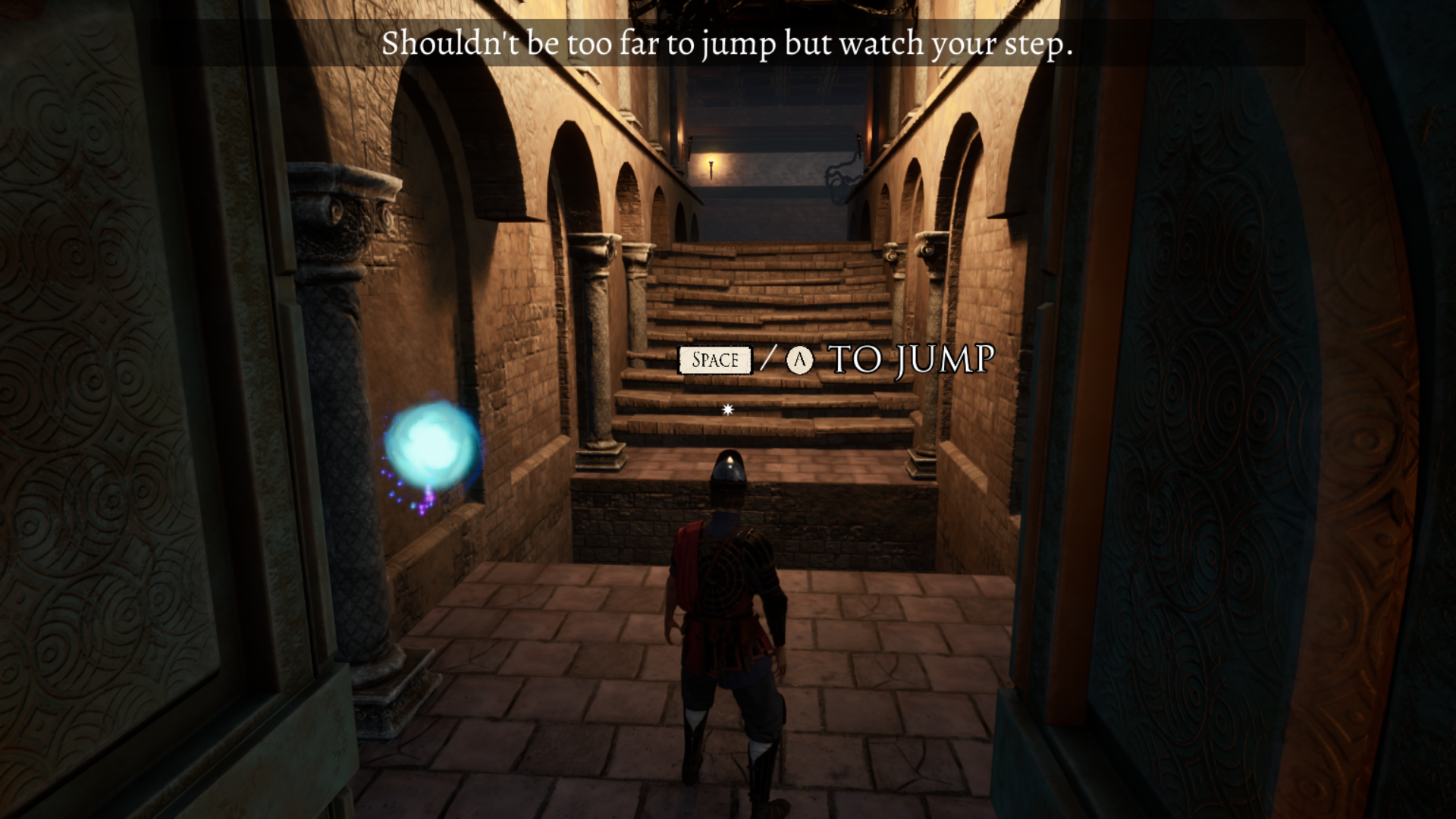
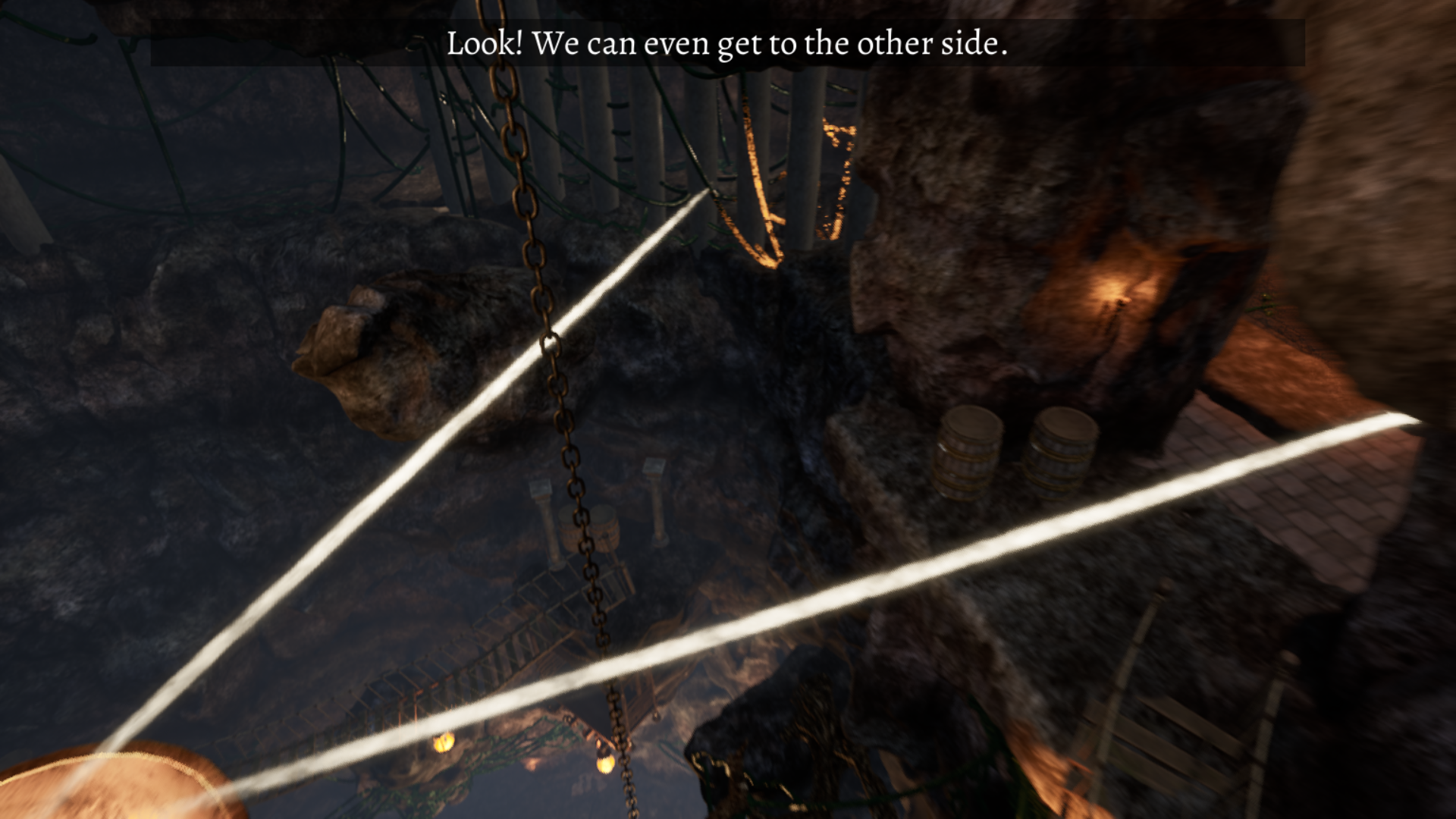
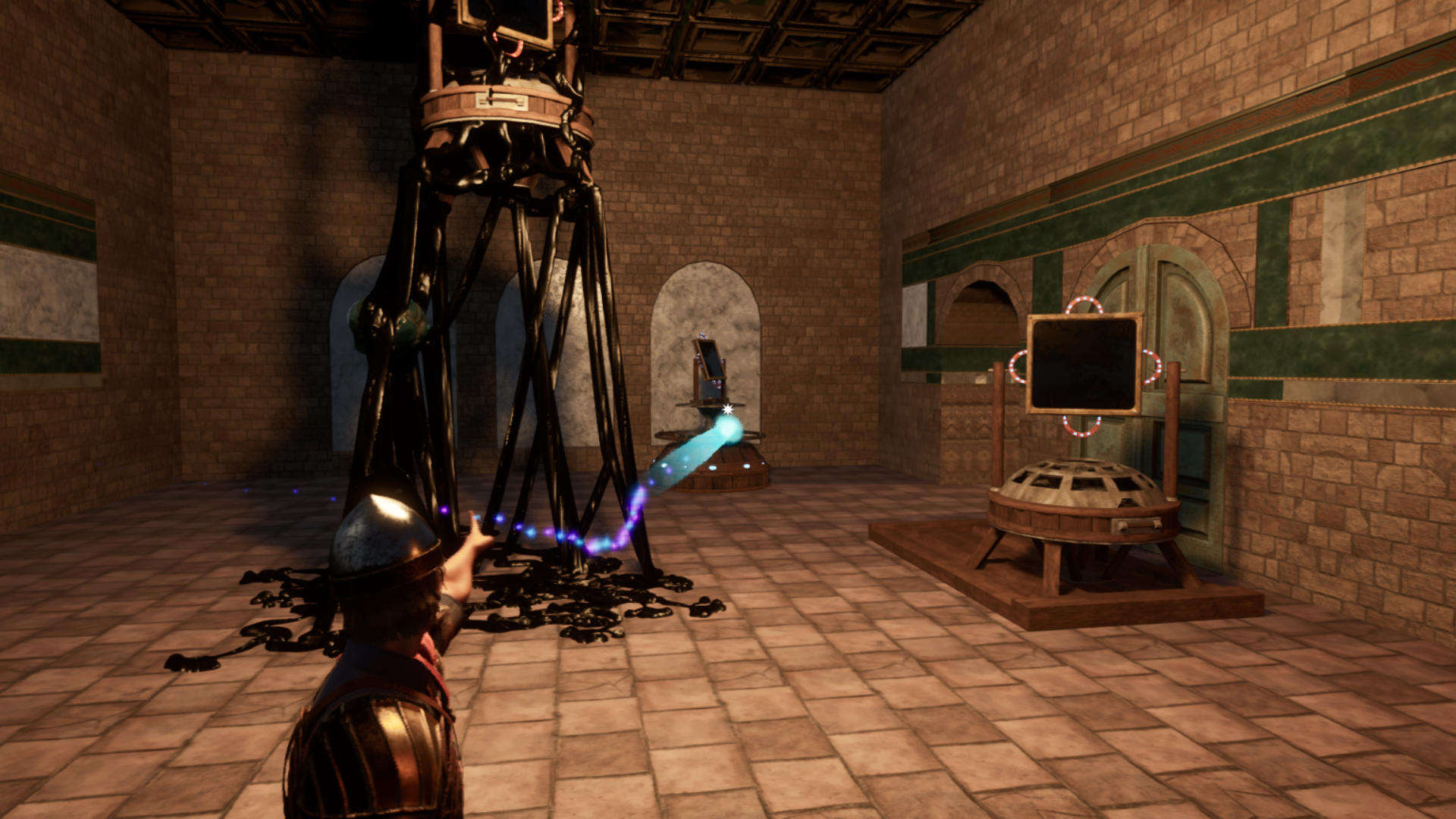
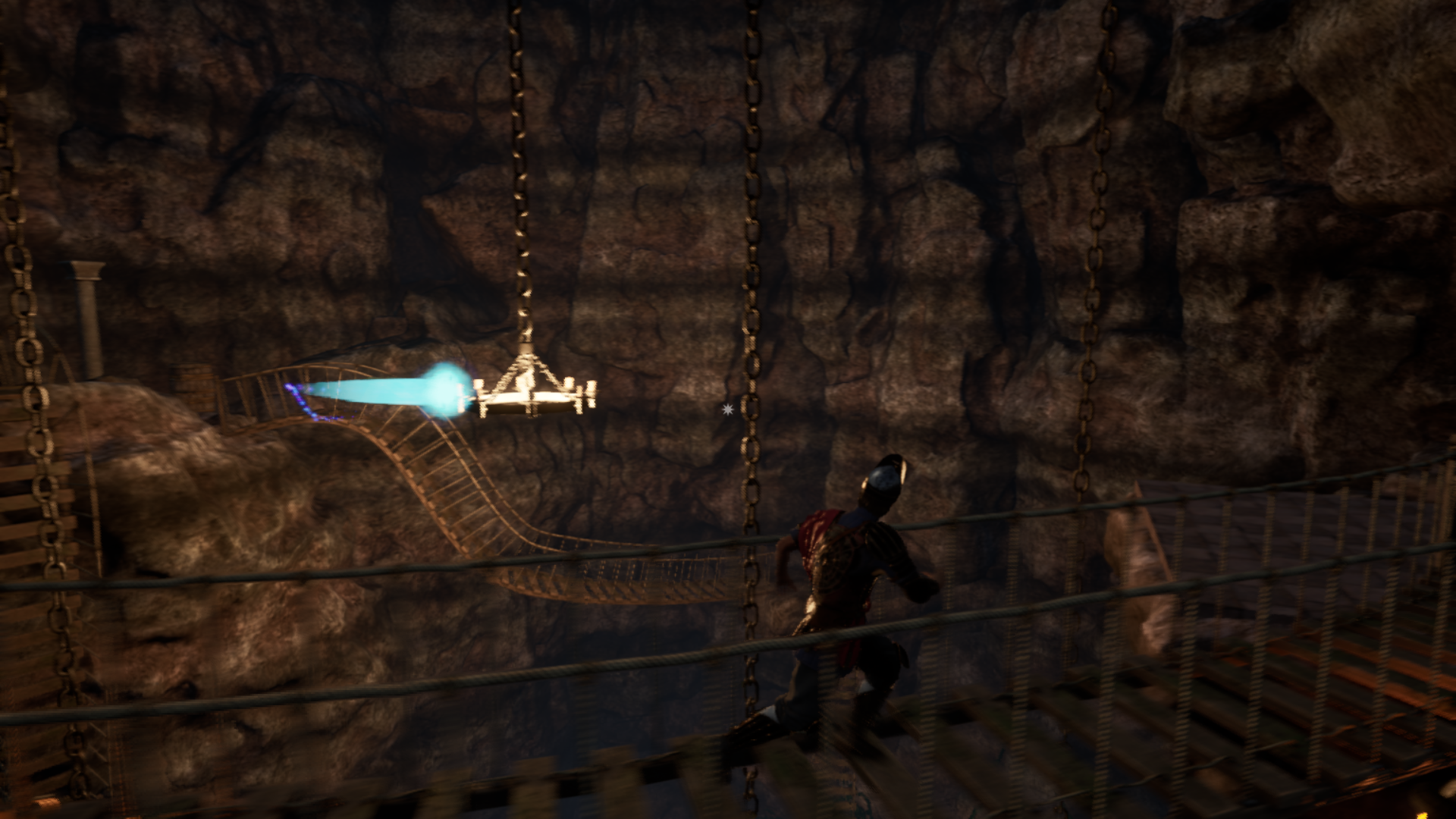
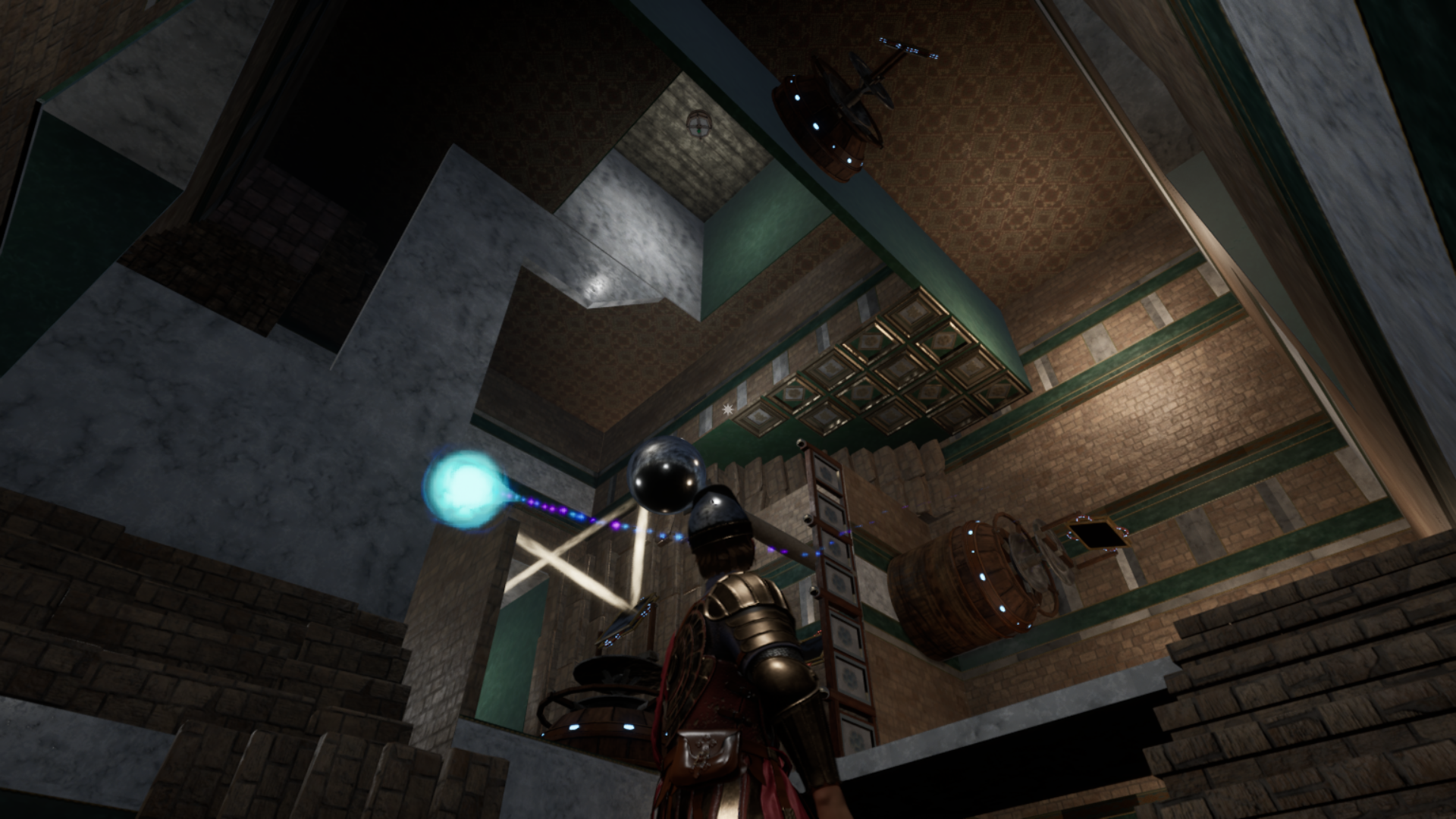
In-game screenshots.
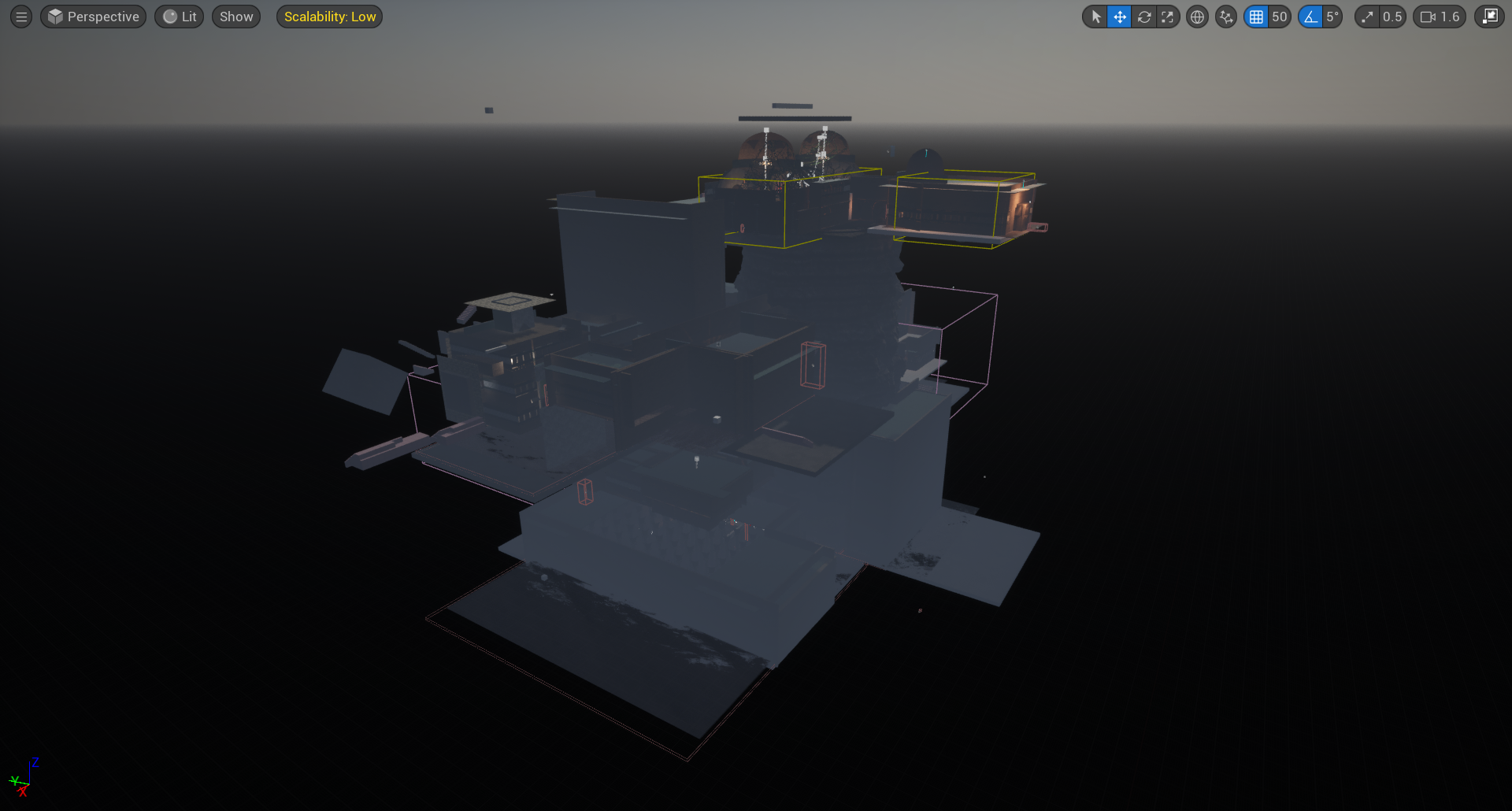
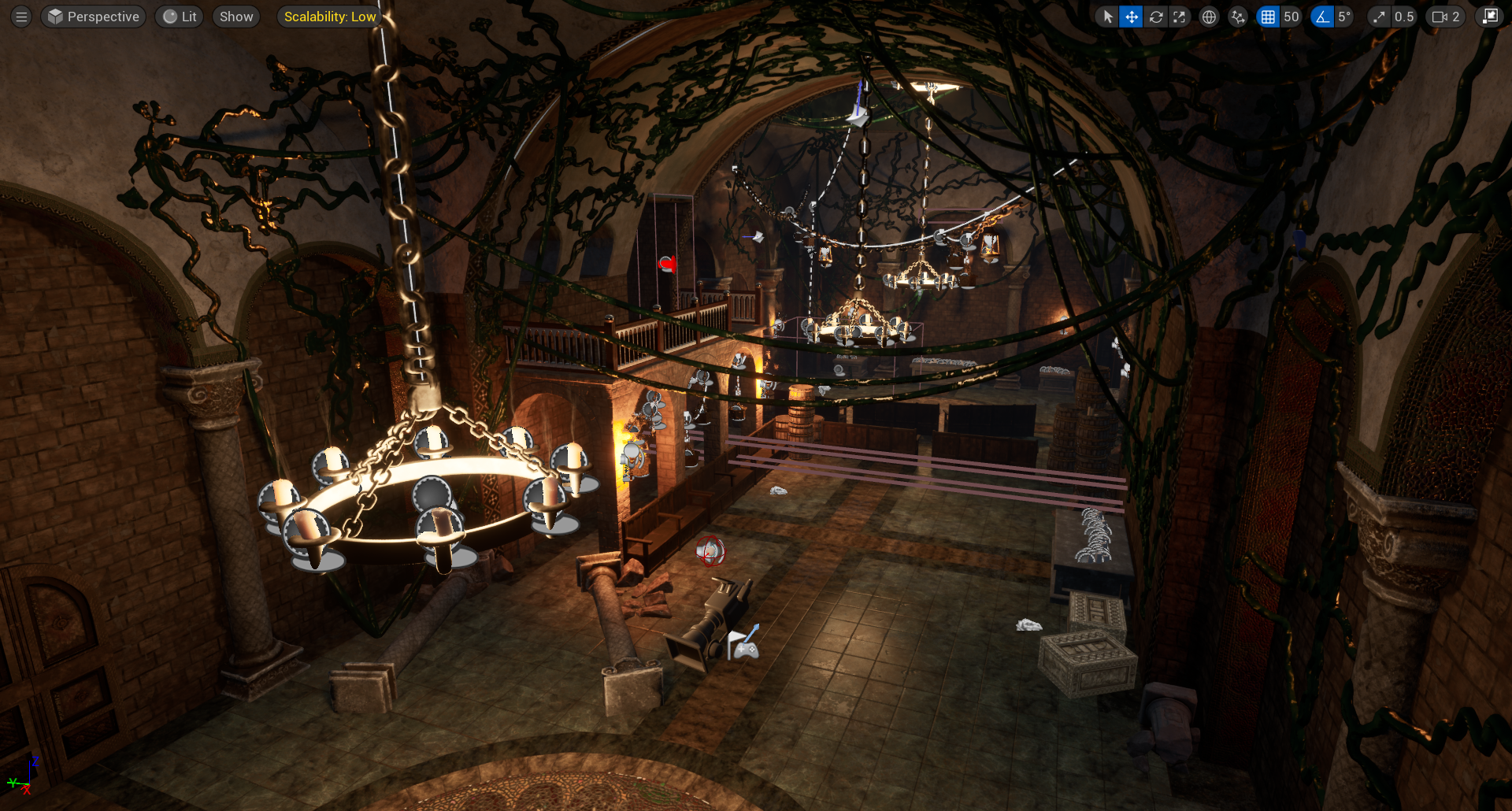
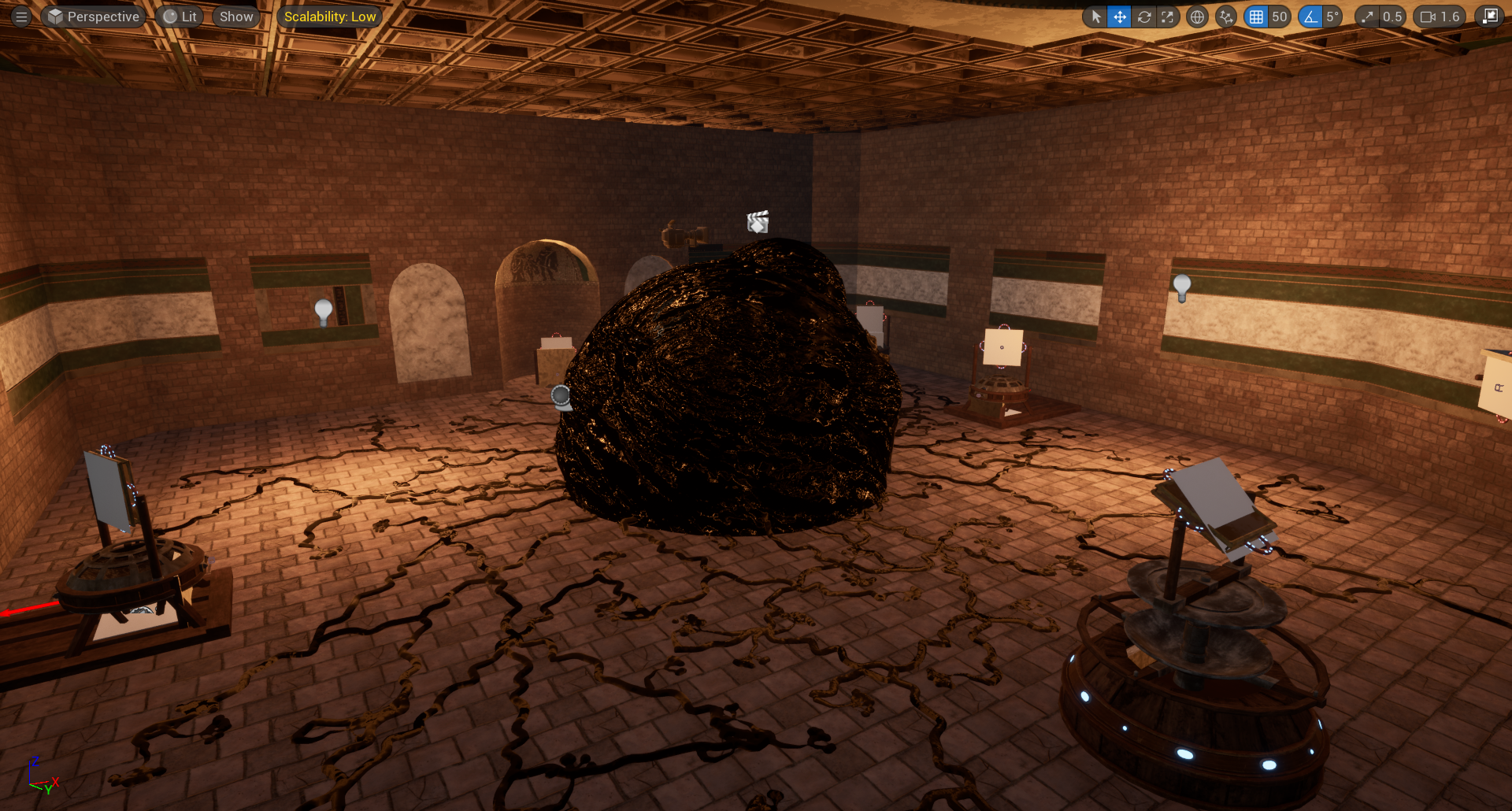
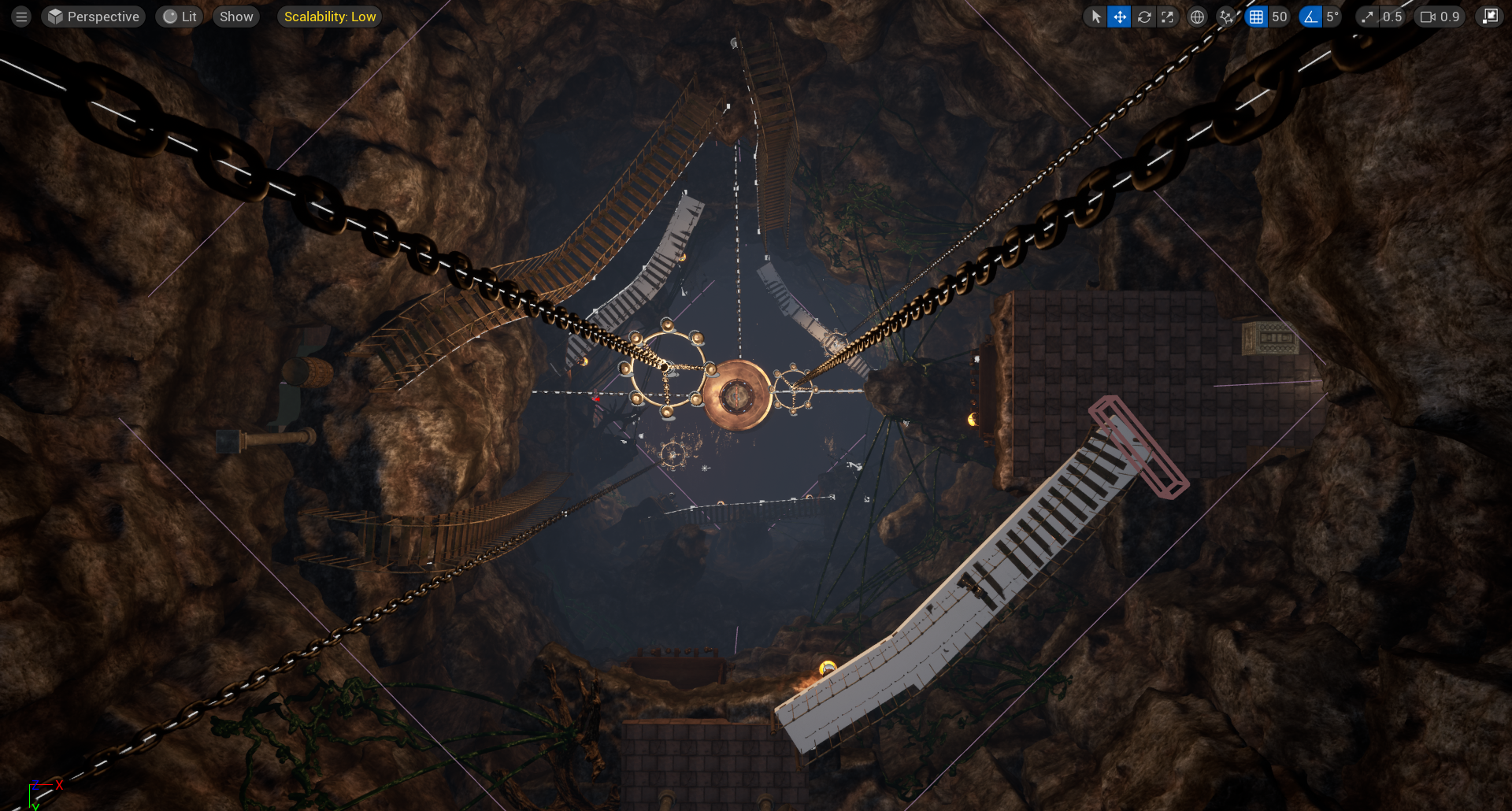
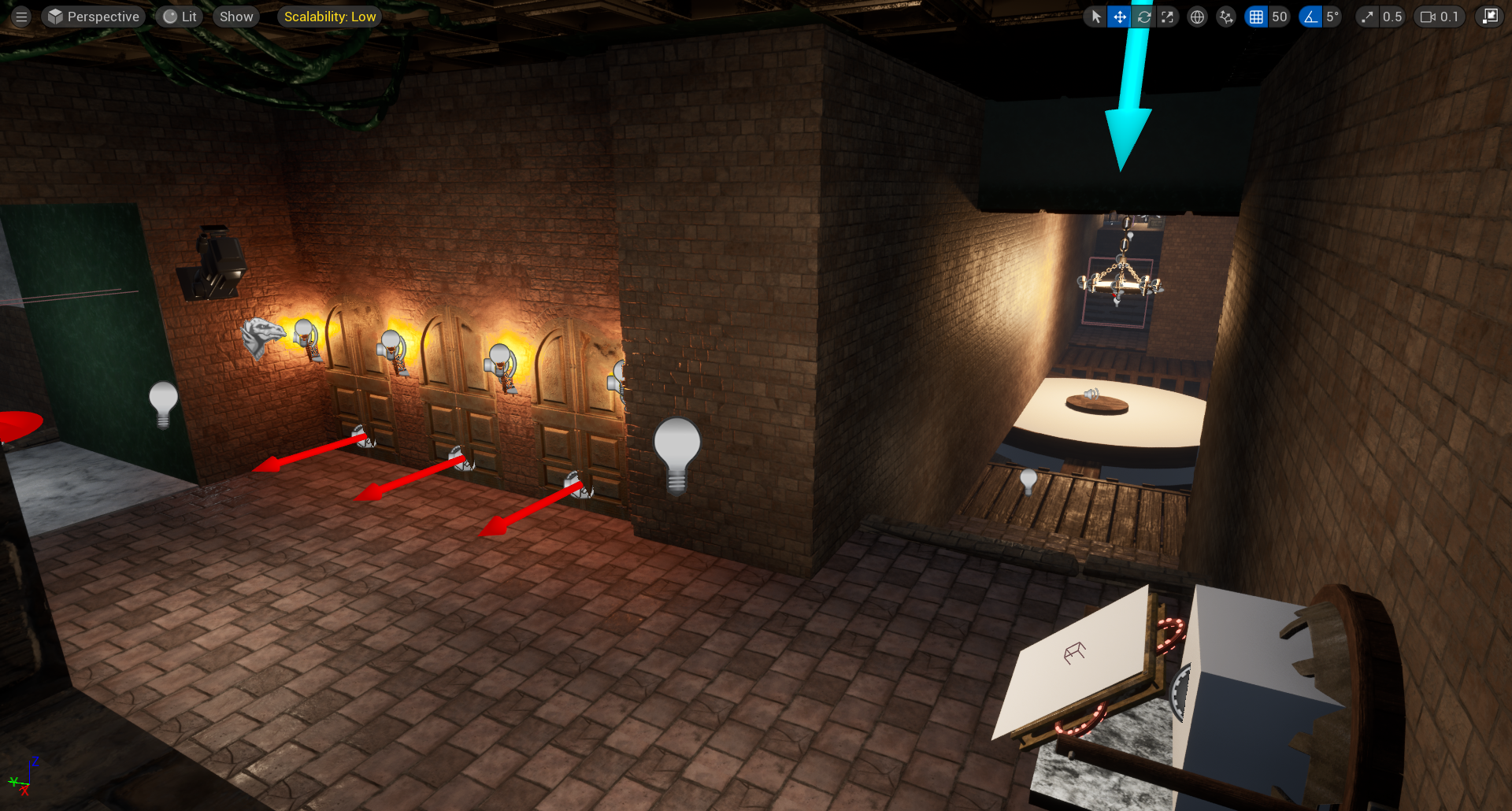
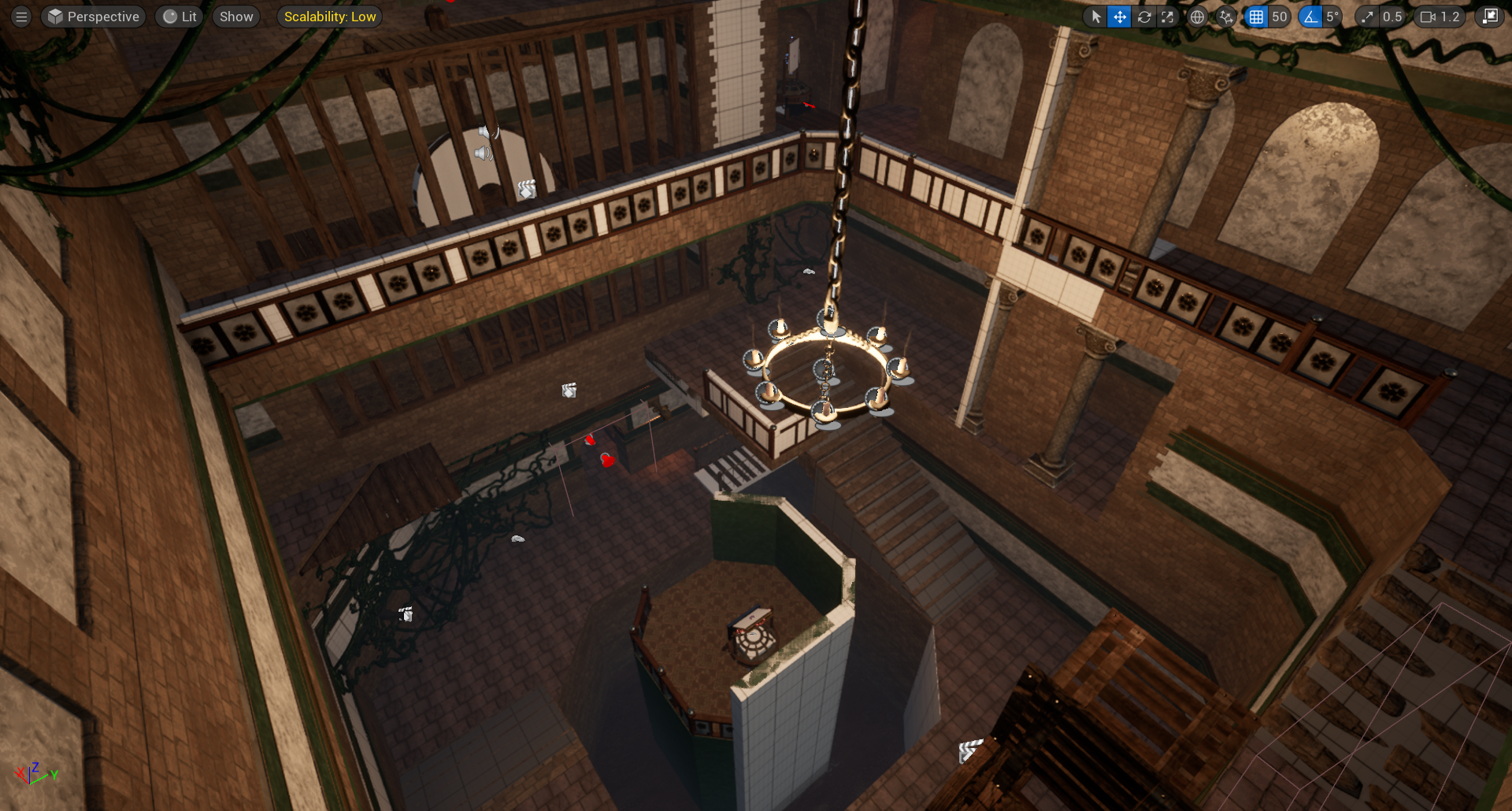
A look at the level in-engine.
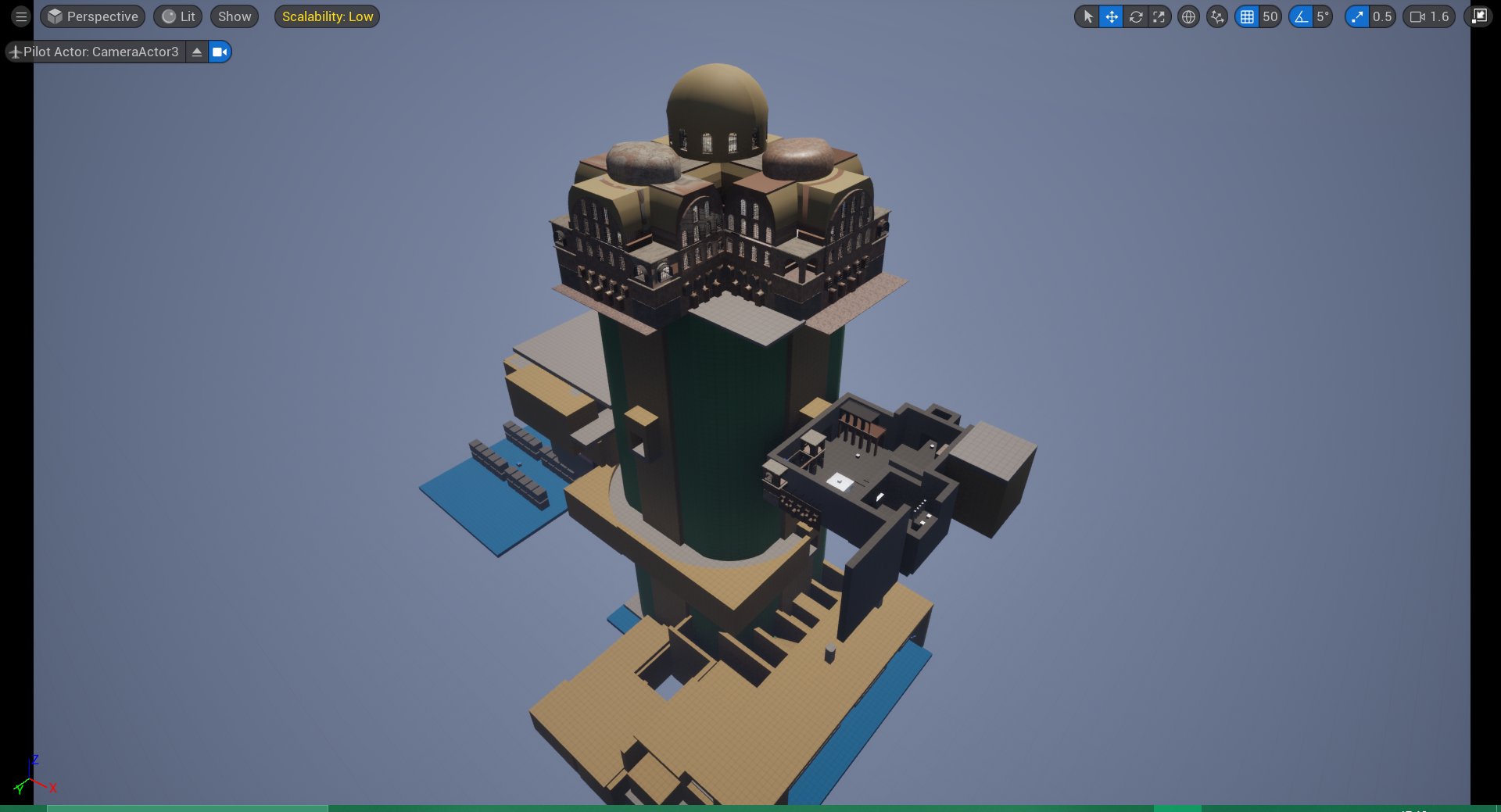
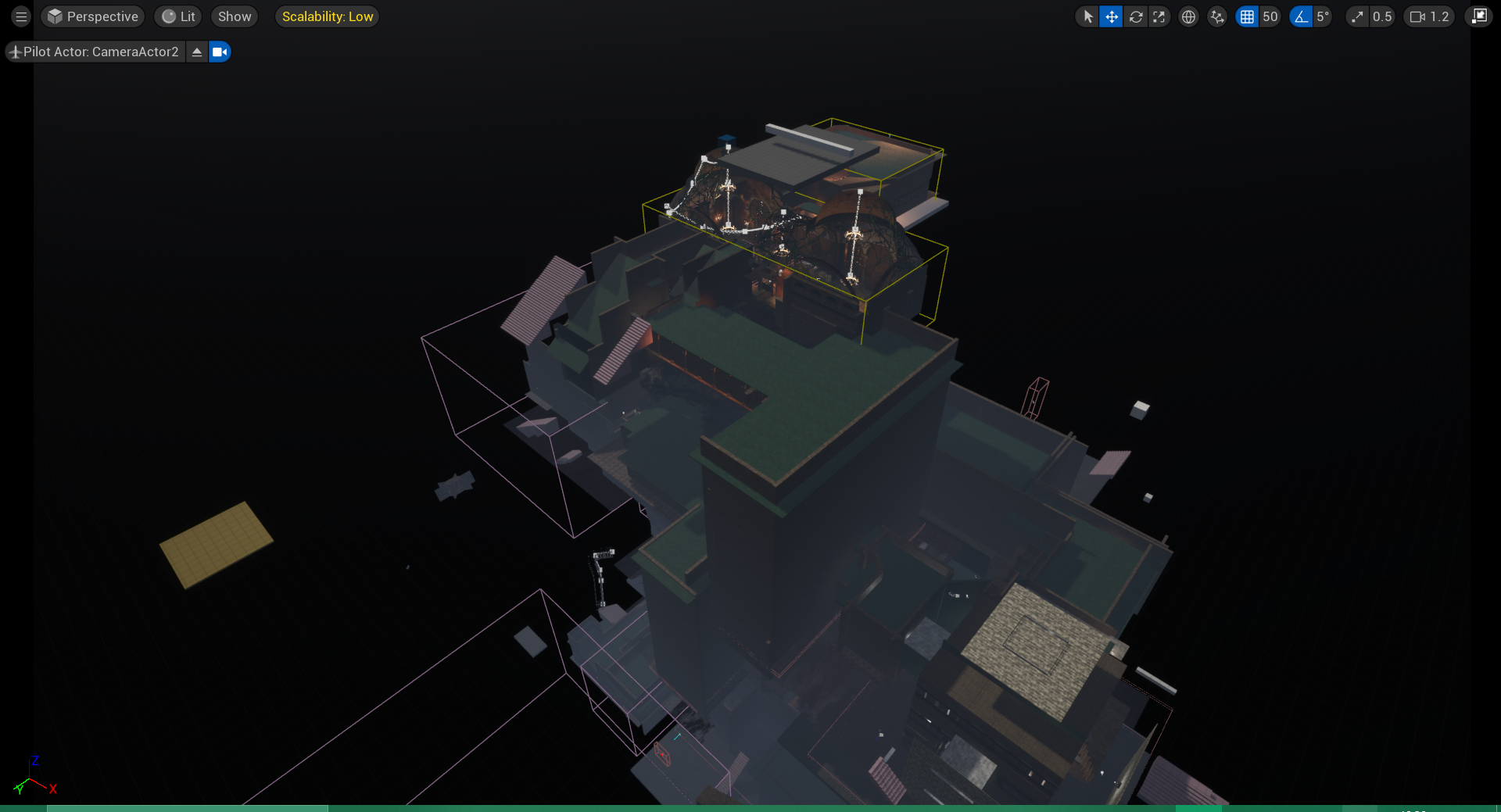
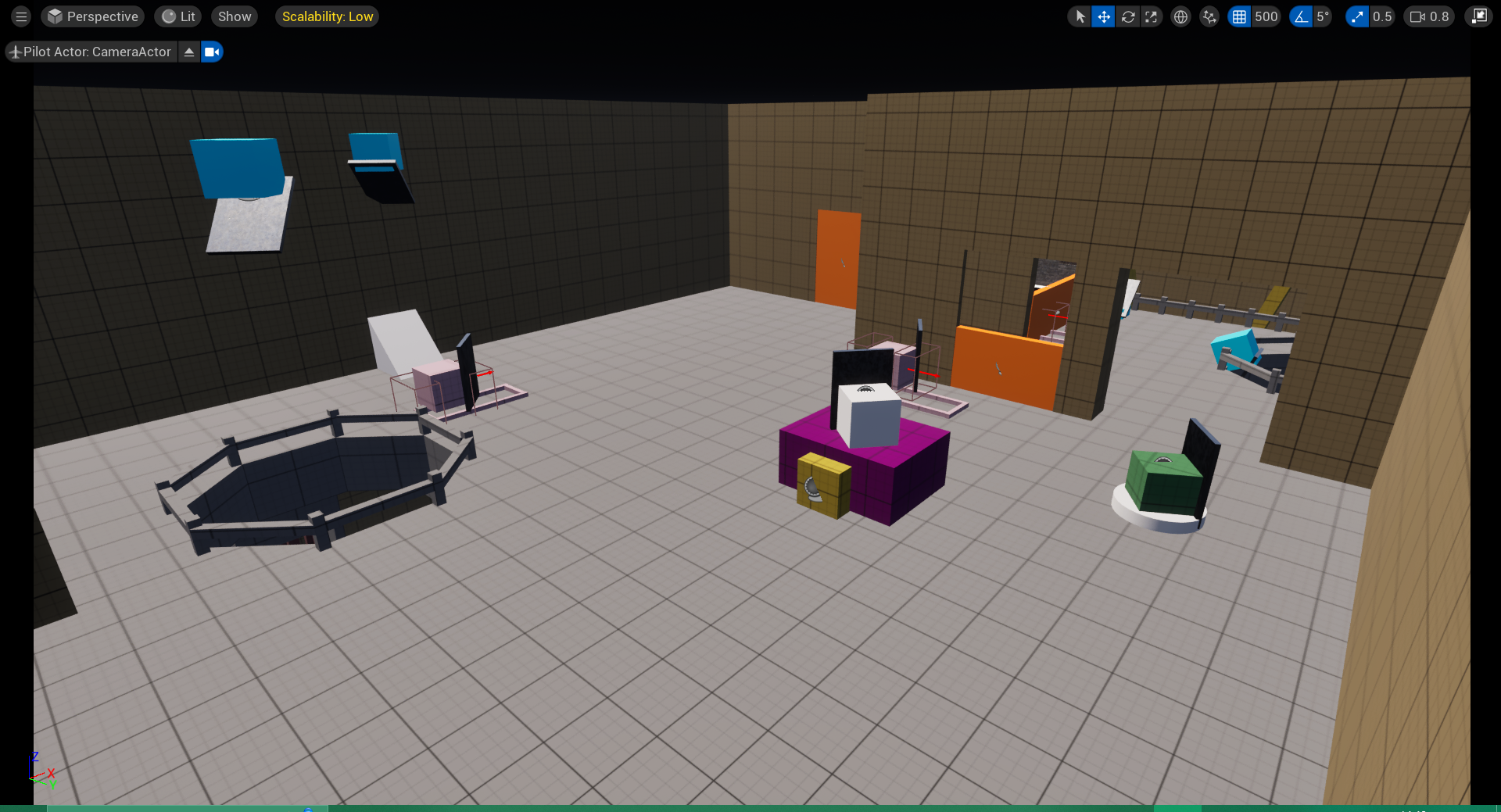
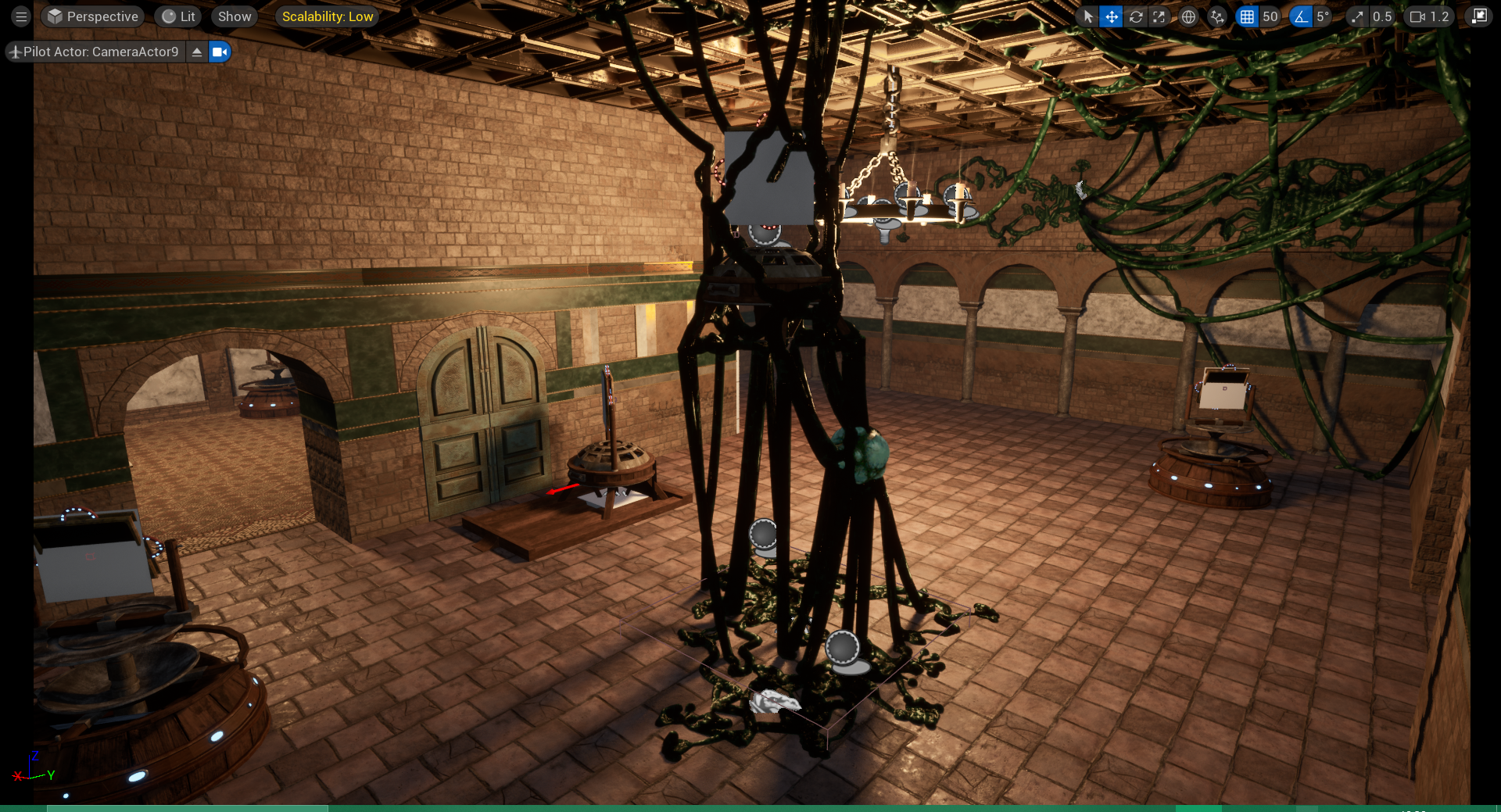
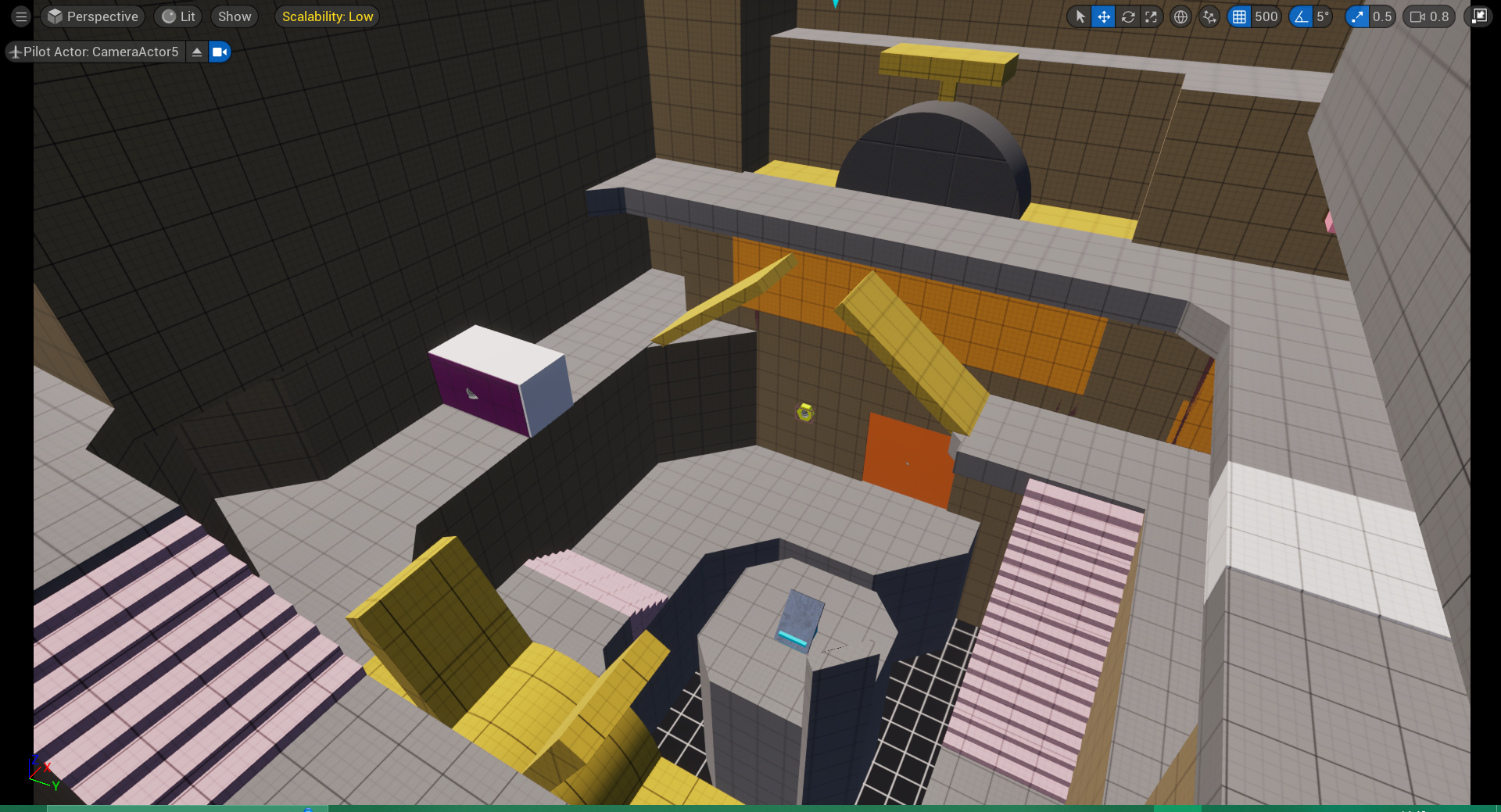
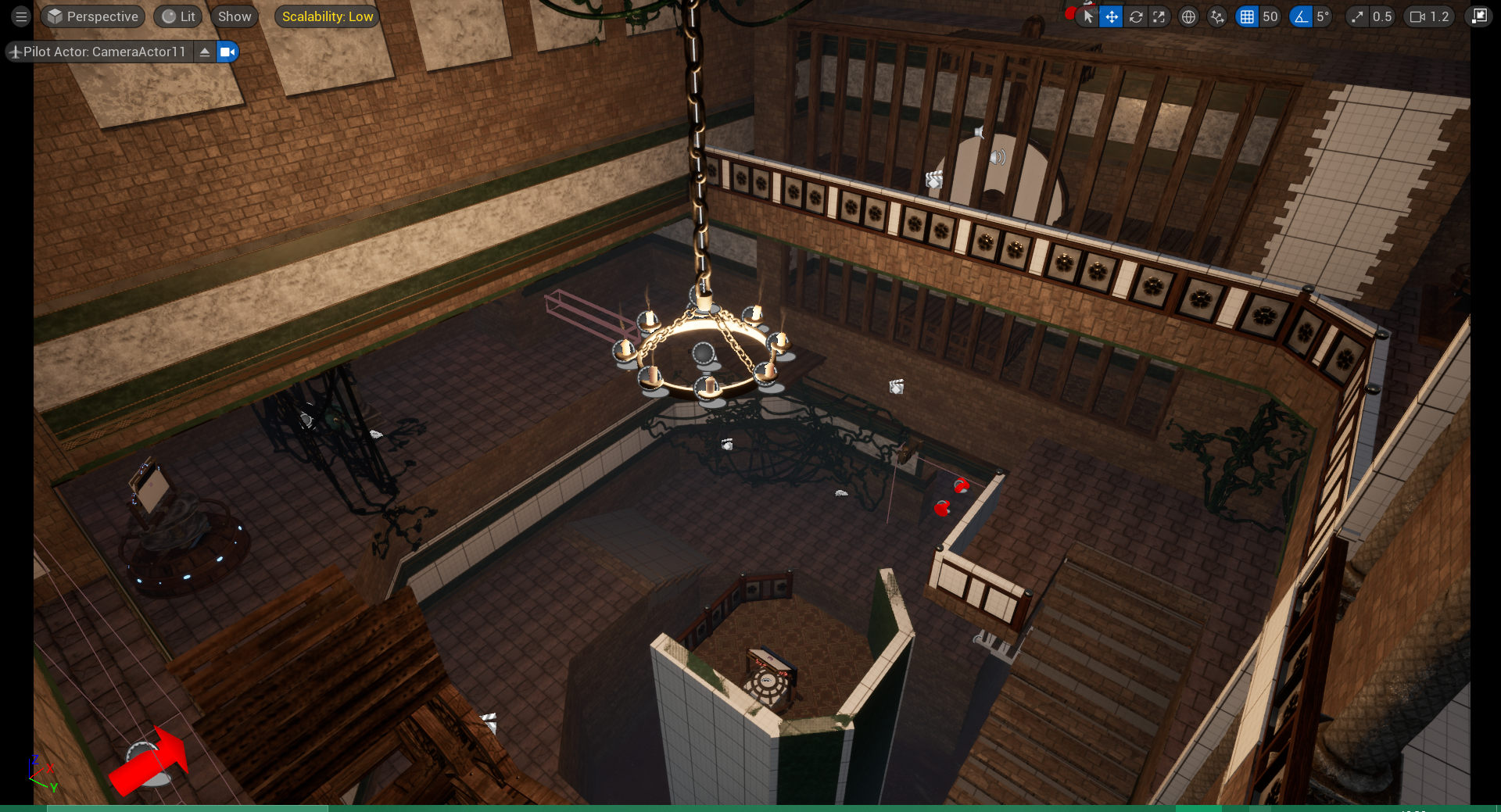
Progression of Level Ingredients from Whitebox to Final Pass.
.